11kV-400kV
AIS and GIS substation engineering capability across distribution, transmission and grid connection projects.


AIS and GIS substation engineering capability across distribution, transmission and grid connection projects.

Led by Anand Selvaraj, HV Plant CDAE and substation design specialist with more than two decades of UK and international experience.

UK technical governance supported by scalable India design development capability.

Experience across National Grid, SSEN, SPEN, renewables, BESS, grid parks, HVDC interfaces and data centre substations.

Designs developed with whole-life cost, safety, sustainability, maintainability and programme impact in mind.
GA Power is not a generic engineering consultancy. Our core capability is high-voltage substation primary design and technical assurance, delivered by engineers who understand how UK power projects are developed, governed, reviewed, constructed and operated.

Deep focus on 11kV-400kV AIS and GIS primary design, layout engineering, equipment interfaces, clearances, conductor systems, earthing and constructability.

Experience working within National Grid, SSEN, SPEN and Tier-1 contractor project frameworks, including technical schedules, assurance processes, design reviews and comment close-out.

Anand Selvaraj has supported projects from early-stage optioneering and FEED through detailed design, technical governance, assurance review, equipment interfaces and construction support.

Experience includes GIS substation solutions and product/interface exposure through major suppliers including Hitachi / ABB / GE-type HV equipment environments, supporting practical and supplier-aware design decisions.

GA Power focuses on solutions that meet client requirements while reducing unnecessary cost, avoiding over-design where possible and protecting the project programme.

Design decisions consider construction, operation, maintenance, access, safety, outage constraints, programme risk and long-term asset performance.
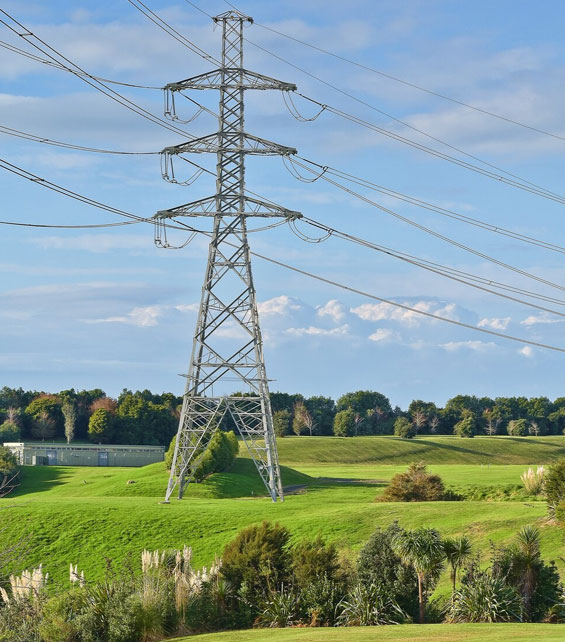
GA Power should present sustainability not only as a corporate statement, but as a practical engineering principle: reducing unnecessary material, optimising layouts, reusing existing assets where feasible, supporting SF6-free technology and designing with whole-life operation in mind.